Posted on March 20, 2026
I had someone who went to my website, and they found my focus on whole body health confusing. Aren’t you a plastic surgeon? Why are you talking about this?
What does optimize your health mean?
I see so many patients when they are at a new chapter in their life. Done with babies. In menopause. Retired. New divorce. Just had significant weight loss. Maybe this is the girlfriend / sister voice in me, but I am not here to sell surgery. I really believe in looking at you as a person and figuring out how to optimize your health. How can we make you the best, healthiest you?
Here in the Bay Area, many of my patients are already optimized. They are at a good weight, are taking the right vitamins, building muscle, and taking hormones if they need it. But many of my patients aren’t. They have prioritized work, spouse, kids- something- and their own health has taken a back seat. I also see many people not evaluate their general health. They don’t have a primary care doctor, or they haven’t been seen in years. This is a time to stop and focus.
What are areas to focus on?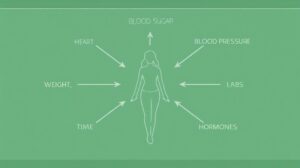
These are things to address months ahead of surgery. If you need to start a medication to help with blood pressure or take iron because you are anemic, those things take time.
- Weight. Sorry, but yes, I am going to lead with this one. Many surgeries are affected if you lose weight after the surgery. Any surgery that tightens- breast lift, breast reduction, tummy tuck, facelift- will loosen if you lose weight after. Also surgical risks for infection, healing issues, blood clots and more increase with BMI. It’s real science statistics. Low weight is also a risk. If your BMI is below 18.5, your surgical risk is higher.
- Blood pressure. If your blood pressure is too high, you will bleed more. If it is high enough, we will cancel your surgery. If you haven’t checked your blood pressure in a while, it is worth doing. It creeps up with age and genetics, and many thin, active people are high. There is no such thing as “white coat hypertension.” If your blood pressure is high, it is real.
- Labwork. I cannot tell you how many people have found out they are anemic, low on Vitamin D, or in liver failure, or have some other issue they do not know. Surgery is a stress on the body.
- Whole body. This is where I start to tap into my Midi Health and Biohackr Health roles. I am a postmenopausal woman whose father died at an early age. My genetics are not good. There are many things you can start in your 40s and 50s that set you up to age better. Blood sugar control. Building muscle. Hormone support. Lowering dementia risk. And all of these will help you look better too.
Addressing health issues lowers surgical risk
- Weight should be in the normal BMI range. 18.5-25. Above or below that has a clear increased risk of complications, increasing as your BMI is higher or lower than that range.
- Blood levels should be normal. You need blood to heal well and fight infection.
- Fix any lab abnormalities. Thyroid issues? Iron issues? Vitamin D? Liver function? Kidney function? If your liver or kidneys do not work well, that can affect medications and anesthesia.
- Fix blood pressure. If it is high, it increases your risk of bleeding
Addressing health improves healing & recovery
- Diet is a big one here. There are studies which show statistical improvement in healing – prettier scars and lower infection rates. I like protein and probiotics around surgery. There are also vitamins which help with healing.
- For combined procedures, I like to see your blood level at the higher end of normal. When healing two surgical areas, the more blood, the better.
- Good blood level also helps fight infection, aid in healing, and makes you not feel as tired.
Dr. Greenberg’s thoughts
Elective cosmetic surgery should be safe. You should optimize your health prior to surgery to ensure a better, faster, safer recovery. Being optimized prior to surgery will give you better results. Many times people see me at a watershed time- post babies, menopause and midlife, after big weight changes. What will your Chapter 2.0 look like? Take this time to evaluate. Implement changes. Then do surgery. Focus on you and your health.
I care about the whole picture.
The information provided on this website is for general informational purposes only and does not constitute medical advice, diagnosis, or treatment. Always seek the advice of a qualified healthcare provider for any questions regarding your health or medical condition.
This blog has been authored by Dr. Lauren Greenberg
Dr. Lauren Greenberg is a Stanford-trained, board-certified plastic surgeon who brings over two decades of experience and a strong commitment to natural-looking results. She is known for combining advanced techniques with an honest, thoughtful approach to help patients feel confident and empowered.