Depression, anxiety, and other mood disorders are common in our world. I have many patients who are on these medications, and to be honest, I had never heard of an issue with surgery until this month’s Aethetic Surgery Journal article about hematoma (blood collection) risk with surgery
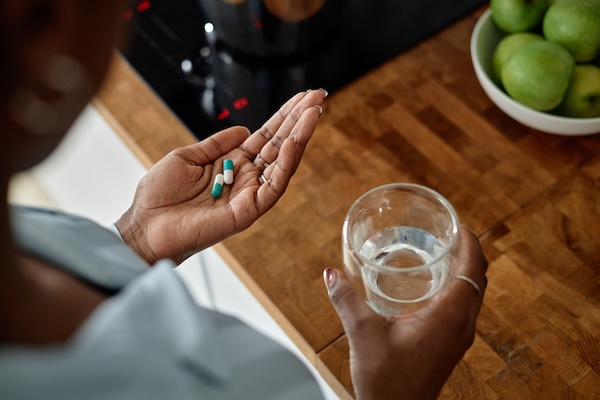
SSRI is “Selective Serotonin Reuptake Inhibitors.” They are a very popular class of antidepressant and anti-anxiety medication. They work by increasing serotonin levels in your brain to improve mood, reduce depression, and help alleviate anxiety. SSRIs are the most popular medication used to help with mood, though there are other serotonin medications used- SNRI (serotonin norepinephrine reuptake inhibitors) and serotonin modulators.
SSRIs are all the names you commonly hear- Celexa, Lexapro, Zoloft, Prozac, Paxil.
Turns out there was a 2014 study “Serotonergic antidepressants and perioperative bleeding risk: a systematic Review, published in Expert Opinion on Drug Safety,” which found an increased risk of perioperative bleeding and blood transfusions. They did a meta analysis
This was a study published in October 2025 issue of Aesthetic Surgery Journal, “Serotonergic Antidepressants and Postoperative Hematoma Risk after Abdominoplasty: A Study Utilizing Propensity Score Matching.”
The study included 5882 patients. They had two cohorts: those with tummy tucks who were on serotonin medications and those who did not. Propensity score matching was done to adjust for bleeding risk factors. Hematoma diagnosis was the primary outcome, but they also looked at seroma (fluid collection), wound separation, surgical site infection, blood transfusion, and the need to drain a blood or fluid collection. They were assessed 1 week, 2 weeks, and 1 month post surgery.
Findings:
Wow. I can’t believe the original study was published in 2014 and I, who blogs all the time on journal published articles and attends my national meetings (go CME!), have never heard this discussed. I have a significant number of patients on antidepressants, so the issue is salient.
But.
Tummy tucks are one of the most common surgeries I do. I do not have issues with bleeding. I am meticulous with my technique. I use TXA. I use progressive tension quilting sutures which close down the “dead space,” which has decreased drain output significantly. My patients wear garments after surgery.
I have a good window into what is going on inside, as I still use one drain following surgery. We can see the color and amount of what comes out. I just don’t see bleeding, and almost all of my drains come out about a week following surgery. (Before I implemented all of my things above, drains could stay in 3+ weeks on some patients).
So this is good to know, but I don’t know given my track record if I would advocate stopping the SSRIs before surgery. Surgery is anxiety producing enough – I wouldn’t want to destabilize someone mentally going into surgery.
When reading any study, you need to look at the actual number of patients. For this study, the hematoma rate was 0.7% in those not on SSRIs, and 1.4% for those on SSRIs. That is a SMALL number. They also don’t elucidate how big the hematomas were. Was this a little collection? Or a bleed requiring a takeback to the OR?
Again, given my personal experience and the small numbers cited in this study, I don’t think I will change my recommendation. My patients can continue their SSRIs. Mental health and lower anxiety are too important.
Serotonergic Antidepressants and Postoperative Hematoma Risk After Abdominoplasty: A Study Utilizing Propensity Score Matching, Aesthetic Surgery Journal October 2025.
The information provided on this website is for general informational purposes only and does not constitute medical advice, diagnosis, or treatment. Always seek the advice of a qualified healthcare provider for any questions regarding your health or medical condition.