Surgery is a controlled injury to your body. It isn’t like you falling off your bike or being pummeled in a football game. It is a precise, surgical procedure, so the damage fall out is less than a traumatic or blunt injury, but your body is injured and needs to repair. When you repair tissue, you get swelling. That is normal.
How much you swell varies because of multiple factors.
Different people heal differently. Different areas of the body heal differently (ex: the legs tend to swell more than the arms, due in part to the fact that the legs are usually down and below the level of the heart).
This blog is an overall general view of swelling, as this is a question I get a lot. This is NOT medical advice.
Swelling is NORMAL. Frequently swelling peaks 48-72 hours out from surgery, but this is when you are being a good patient. For the first few days you are likely taking it easy, lying in bed or sitting on a sofa. You aren’t making dinners and doing laundry and trying to work.
Many of my patients go back to desk job working at one week. At one week most of them are driving. When you increase your activity, it is common that swelling will increase a bit. Your body is still injured and healing. Just like you get dents in your ankles at night from wearing socks during the day, your body swells when you are up and about. After surgery, you will swell a bit more than normal and it is harder for your body to clear the swelling, so you may stay swollen longer.
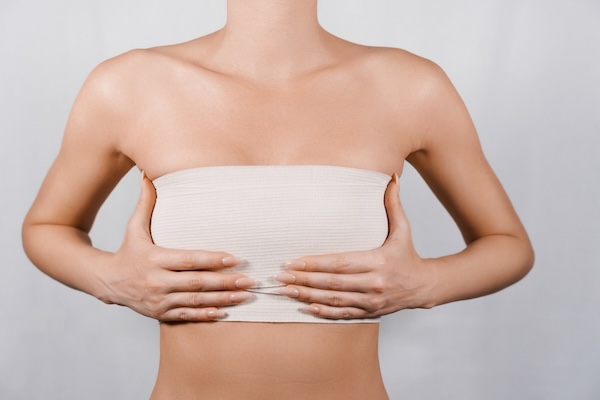
This is part of why we restrict activity. This is why we have you wear garments and compression support.
If you have pain, bruising, and / or swelling, that is your body telling you NO. That is your body stating it is injured and it wants you to take it easy. Just like you wouldn’t go for a walk if you had a swollen, bruised, or sprained ankle, you shouldn’t increase activity if you have an injured belly, breast, or face.
You are now one month out from surgery and you are feeling more normal. The swelling is gone, yes? No. You are still swollen at one month, and your body is still impaired in clearing swelling. You absolutely can increase your activity, but when you do, listen to your body. After a workout how do you feel? How do you feel the next day? Do you get really swollen or just a little bit?
This congestion and swelling improves over months as your body creates new connections of veins and lymphatics to drain the fluid.
Swelling is normal, but there are some issues where swelling indicates something is going on.
If concerned, always call/see your doctor, particularly if the swelling is big, abrupt, or painful. In our office we have the Clarius ultrasound which, in addition to our exam, helps us see fluid collections. Treatment depends on the issue.
The information provided on this website is for general informational purposes only and does not constitute medical advice, diagnosis, or treatment. Always seek the advice of a qualified healthcare provider for any questions regarding your health or medical condition.